Character System Strategy
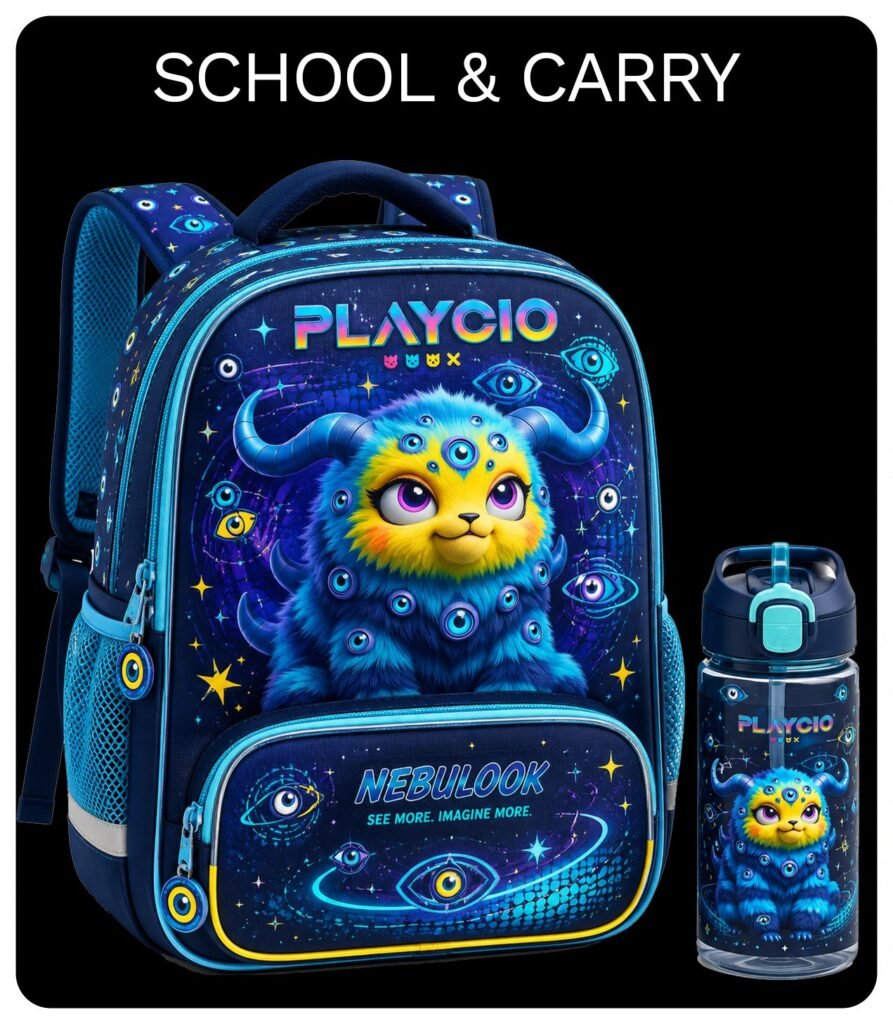
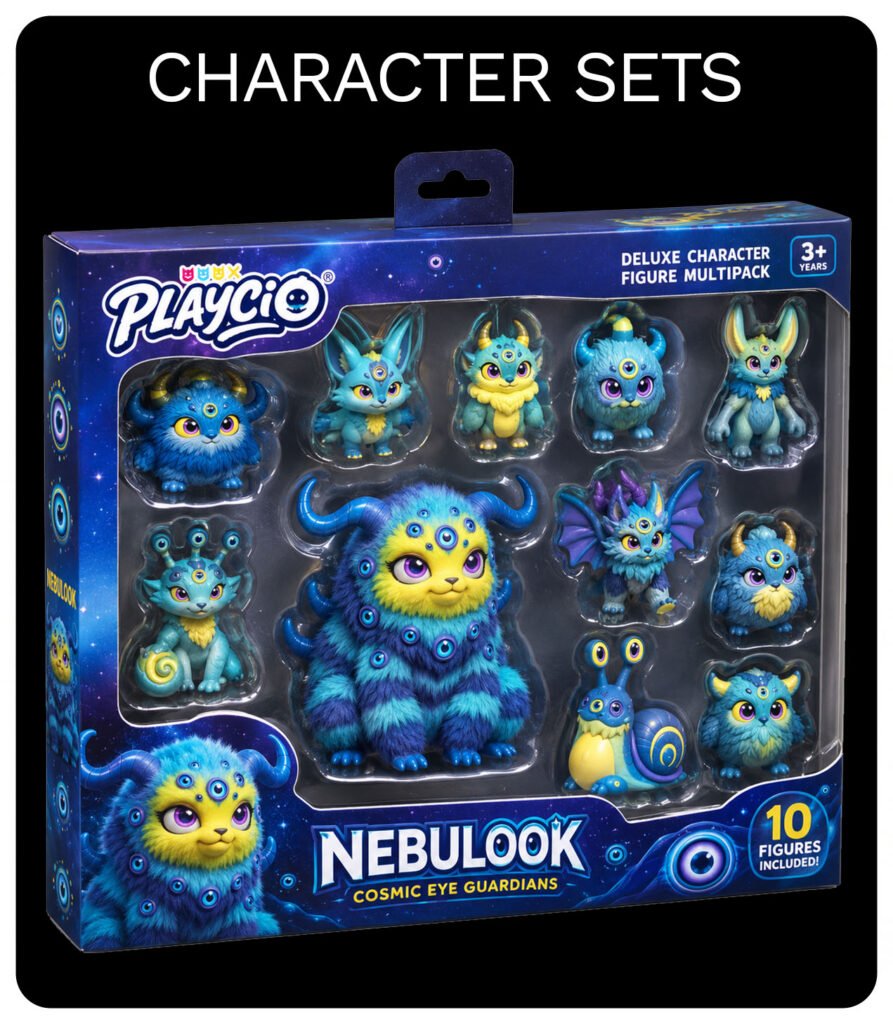
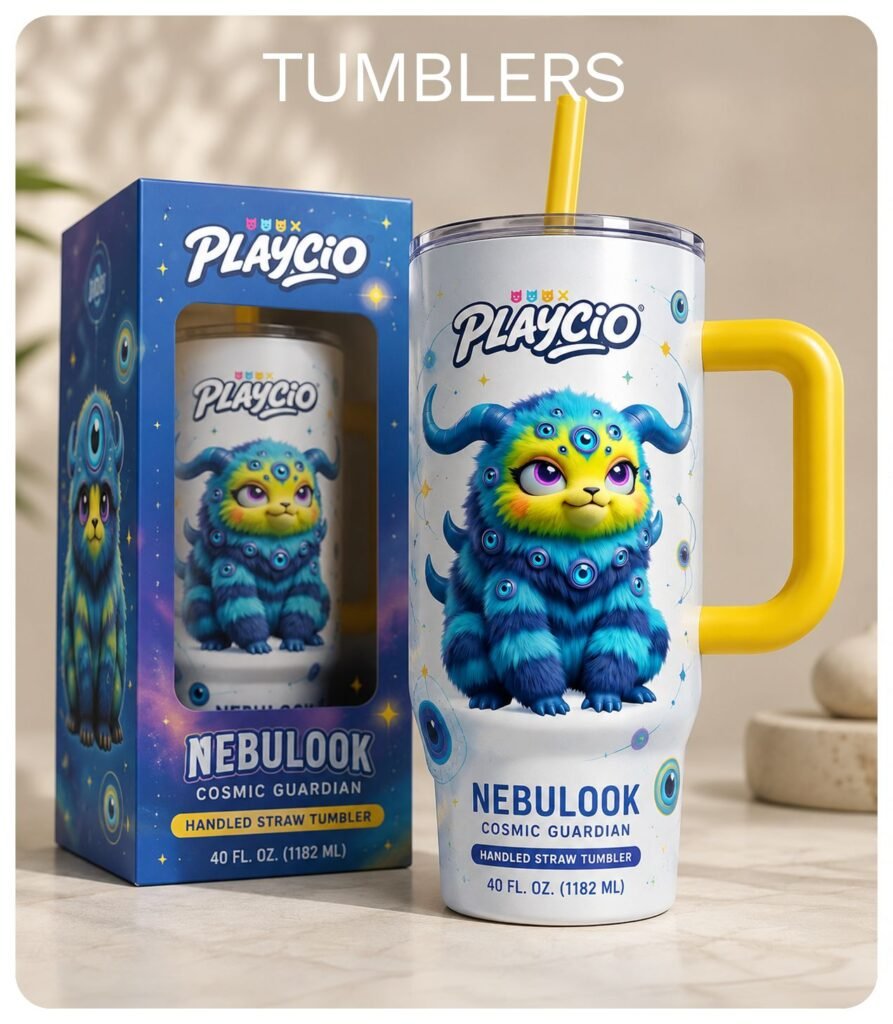
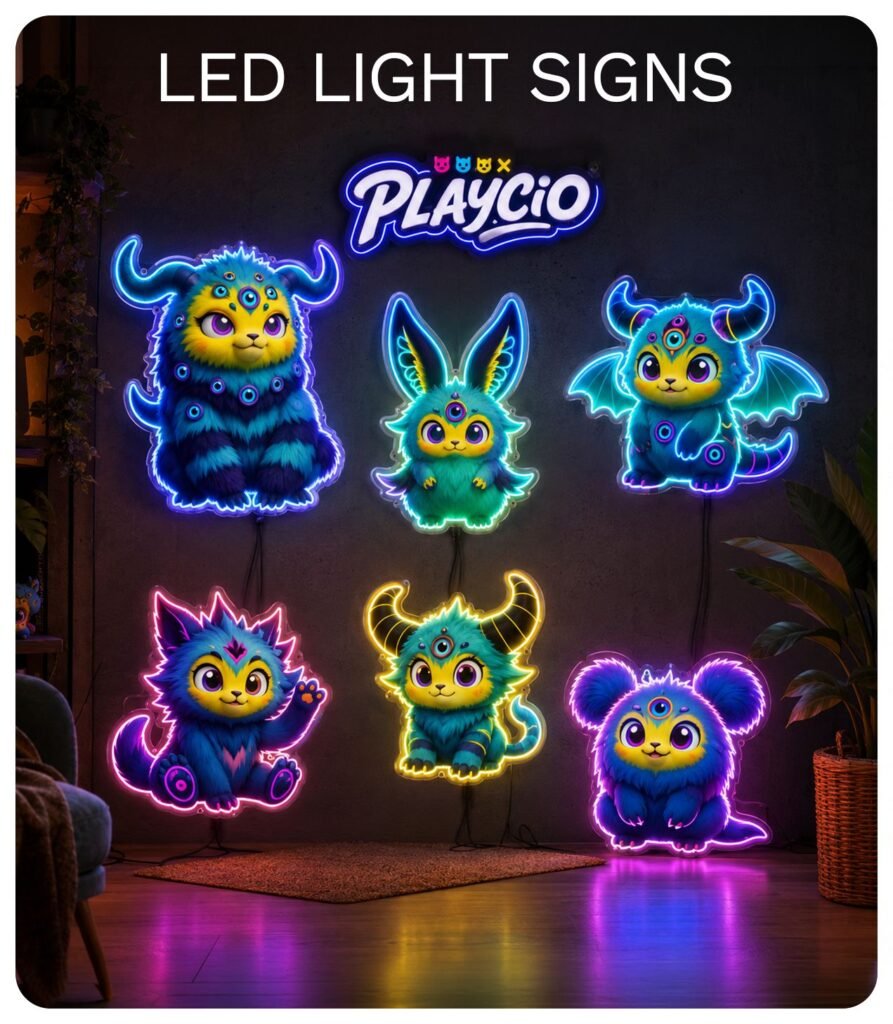
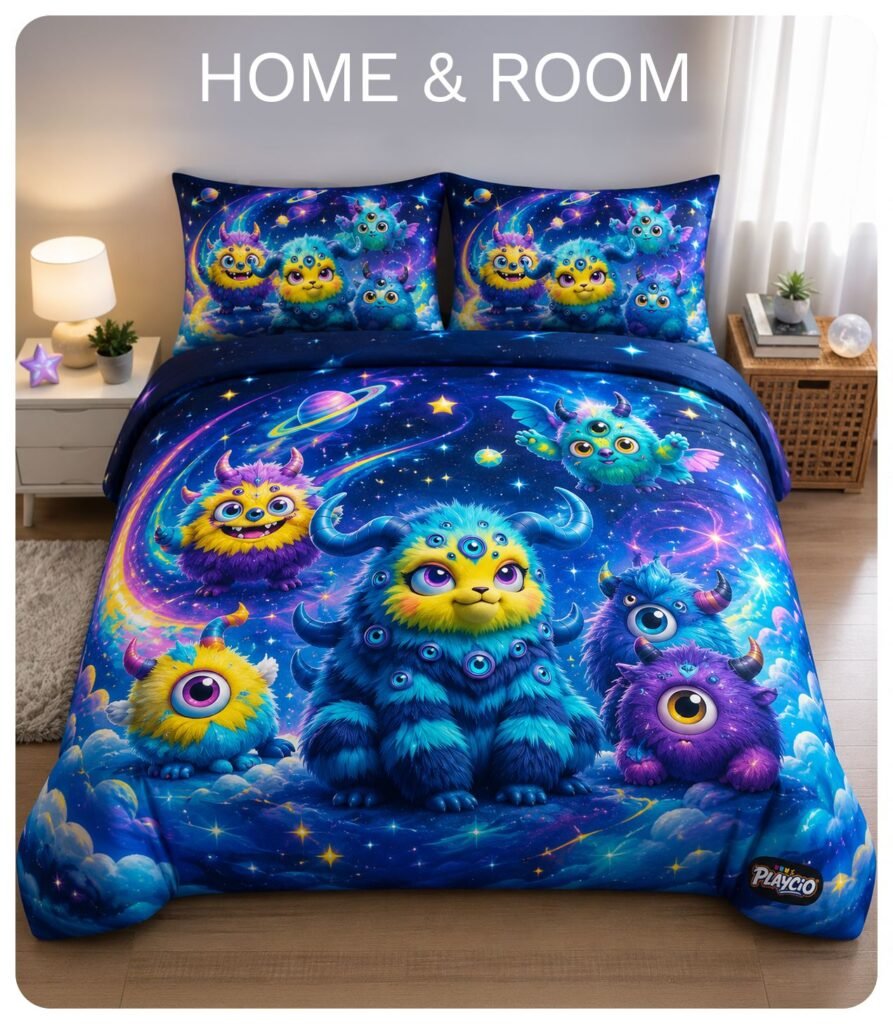
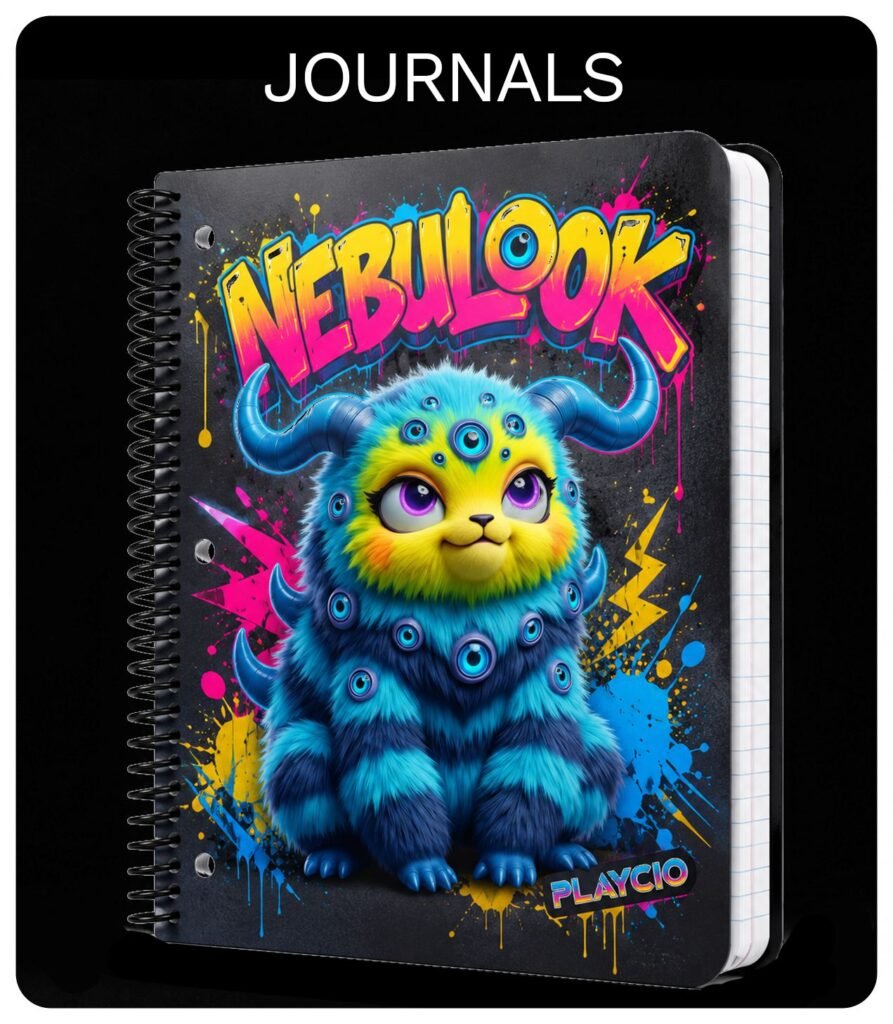
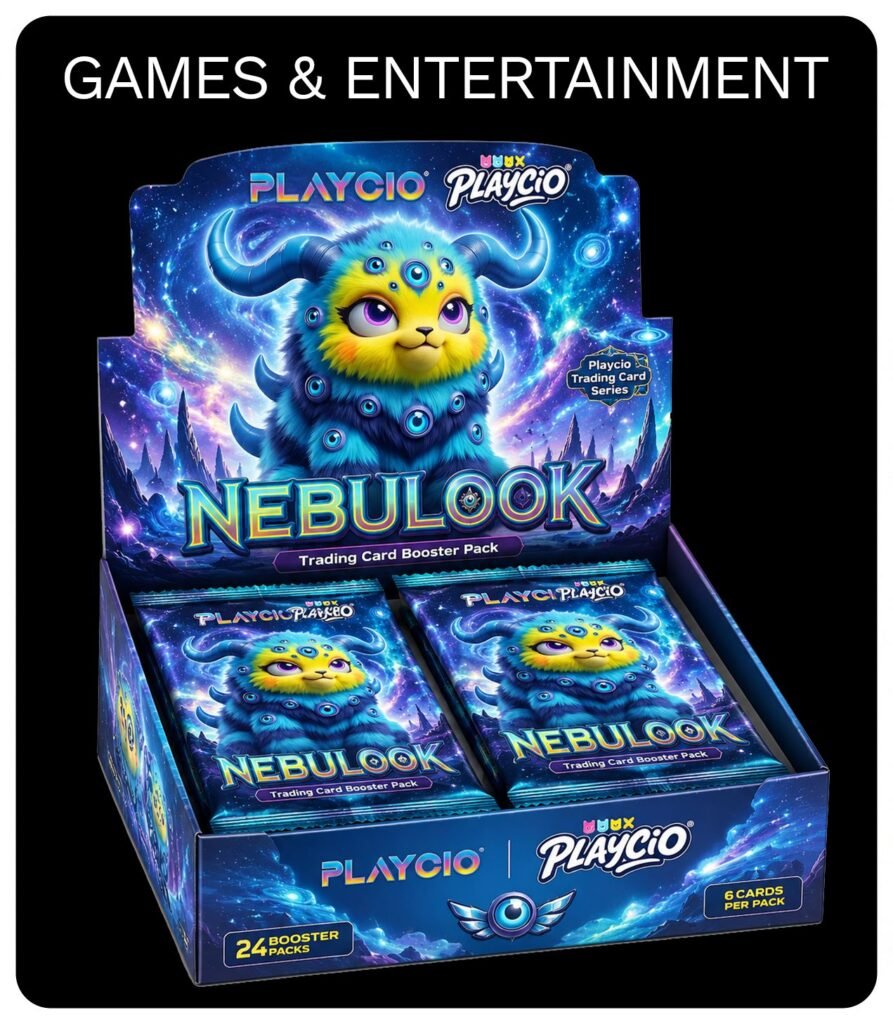
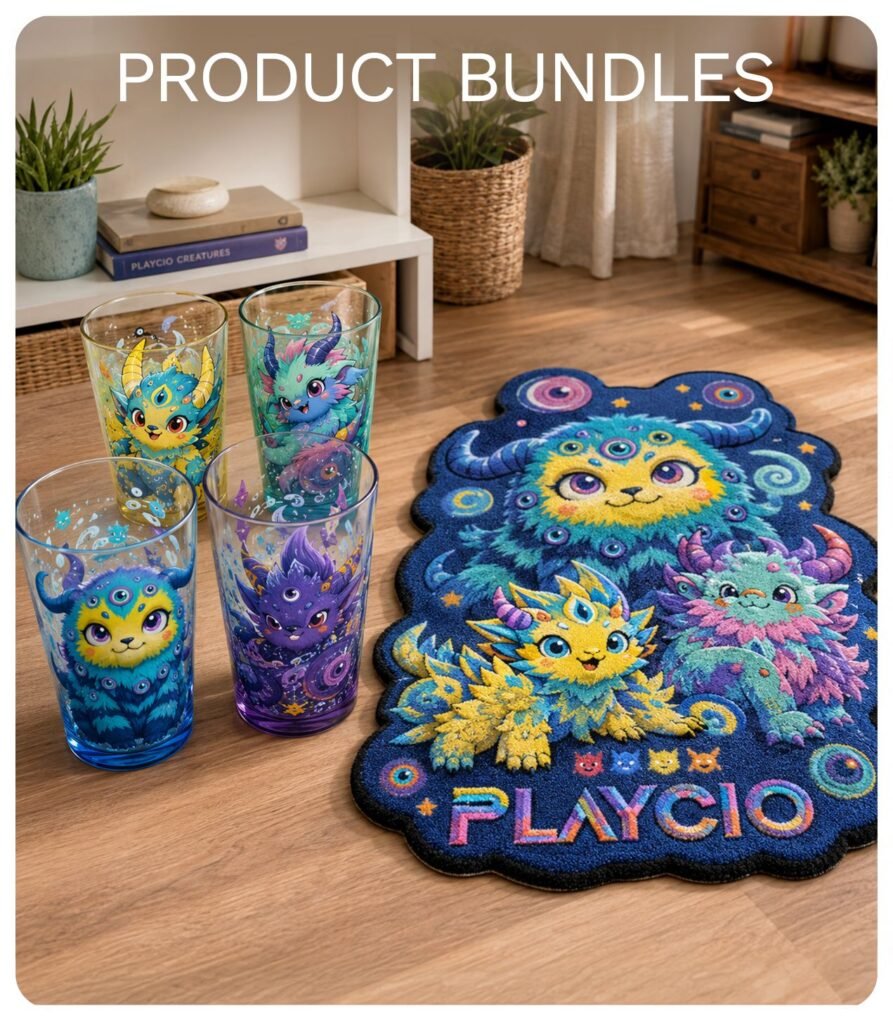
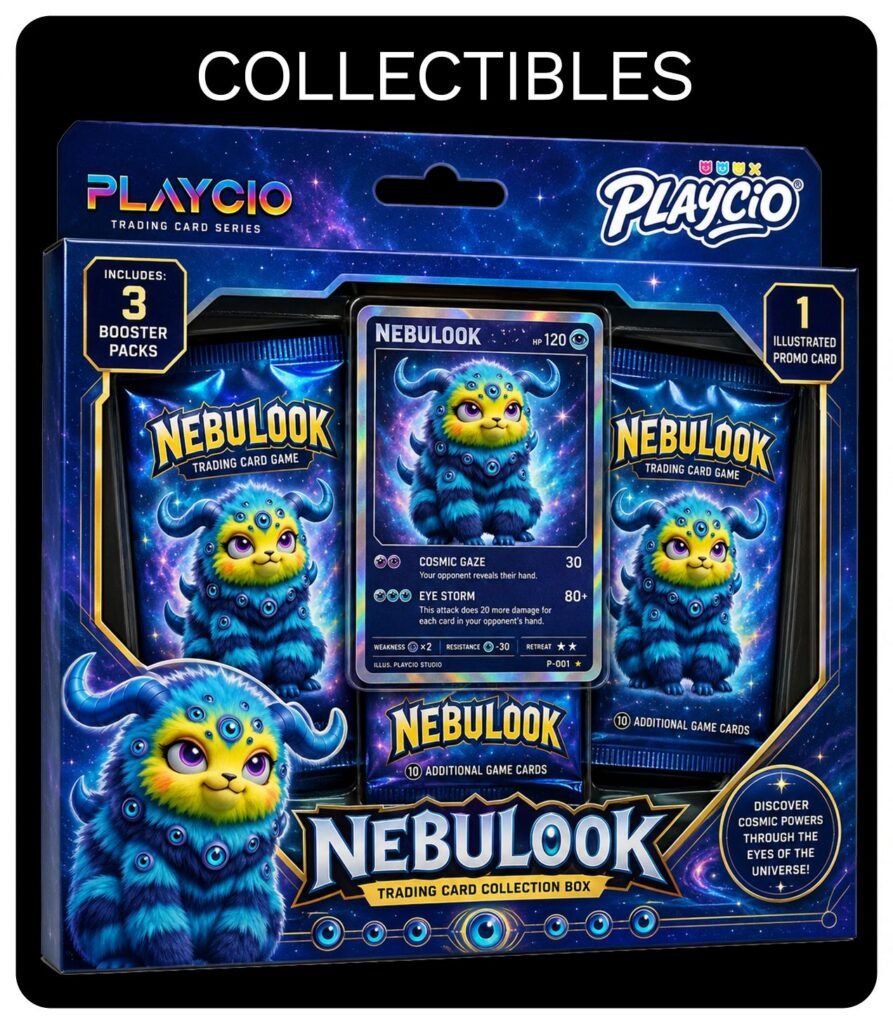
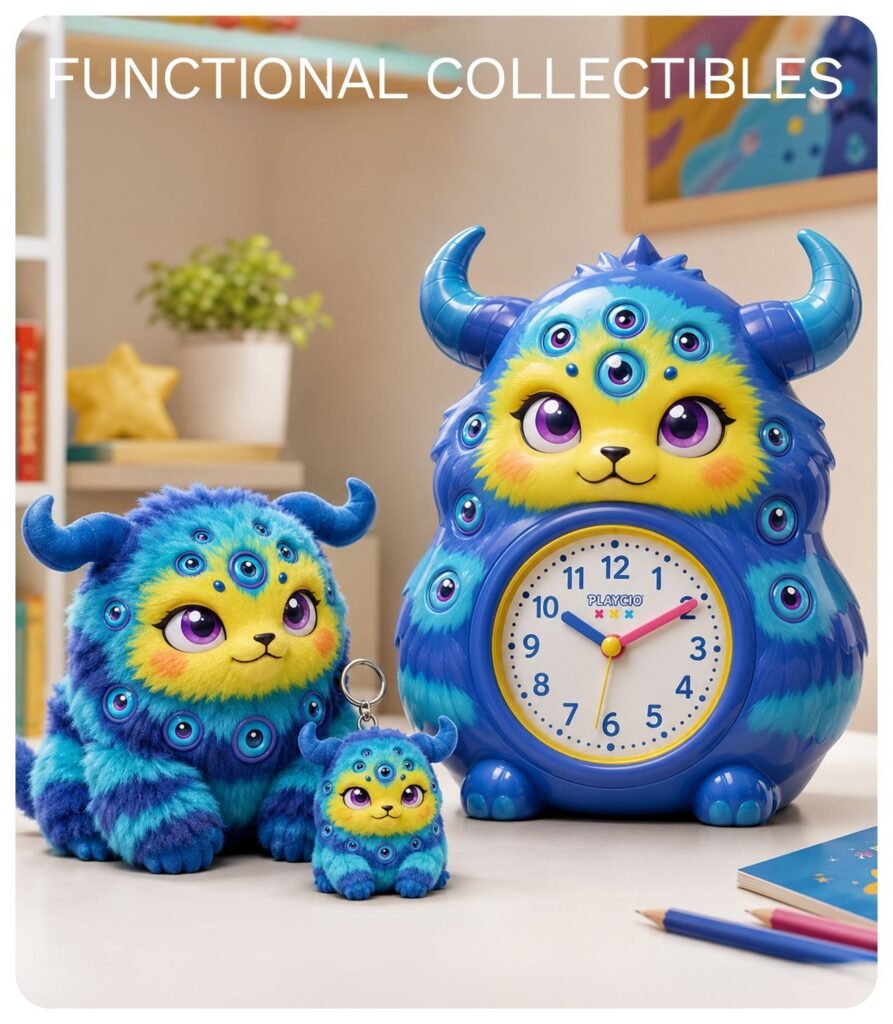
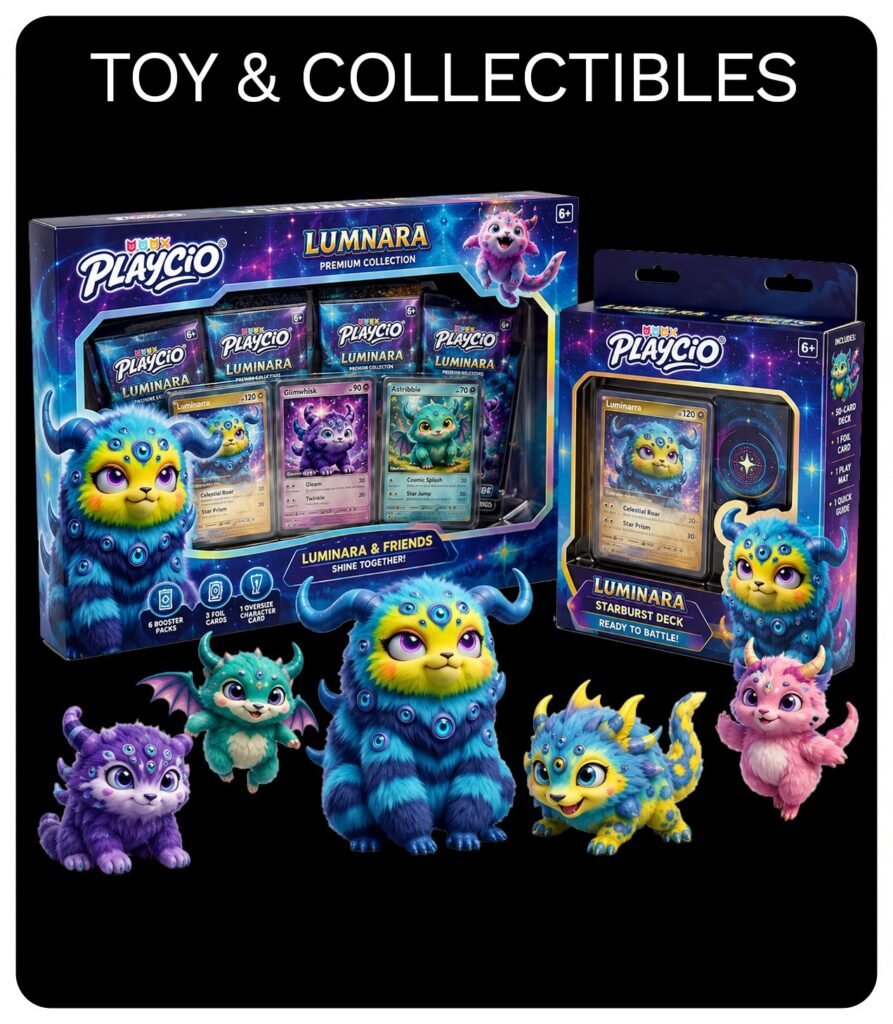
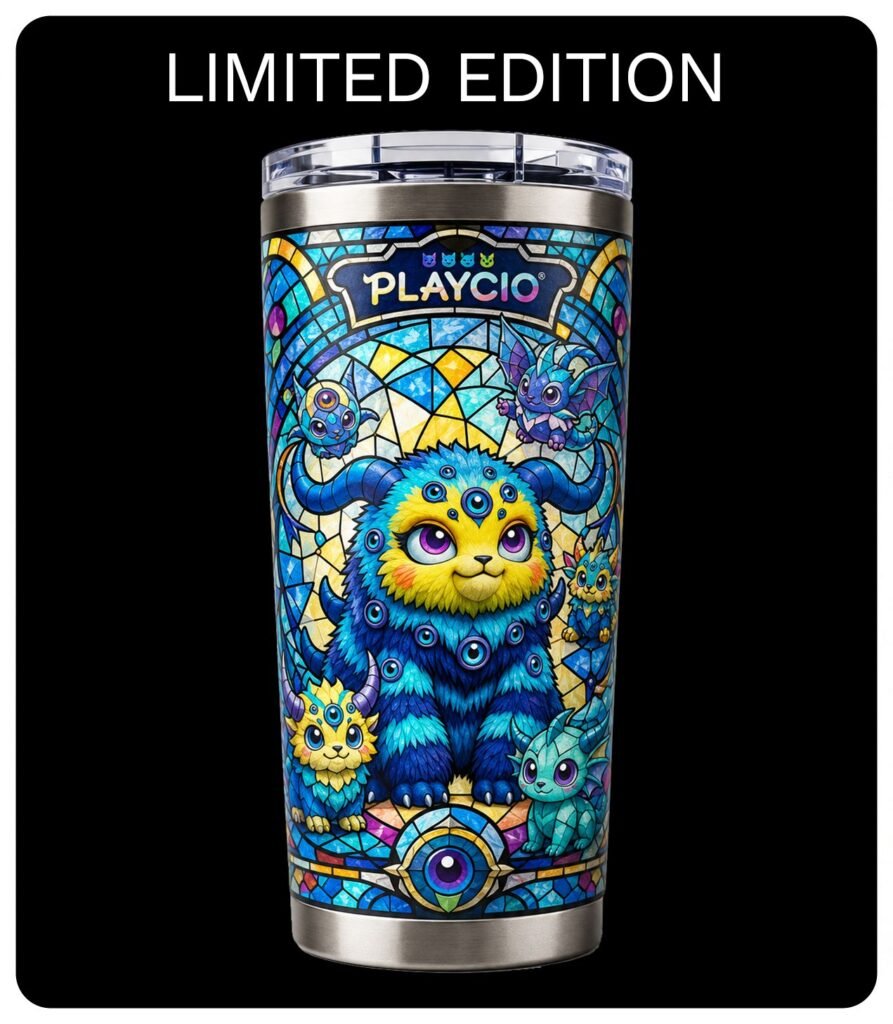
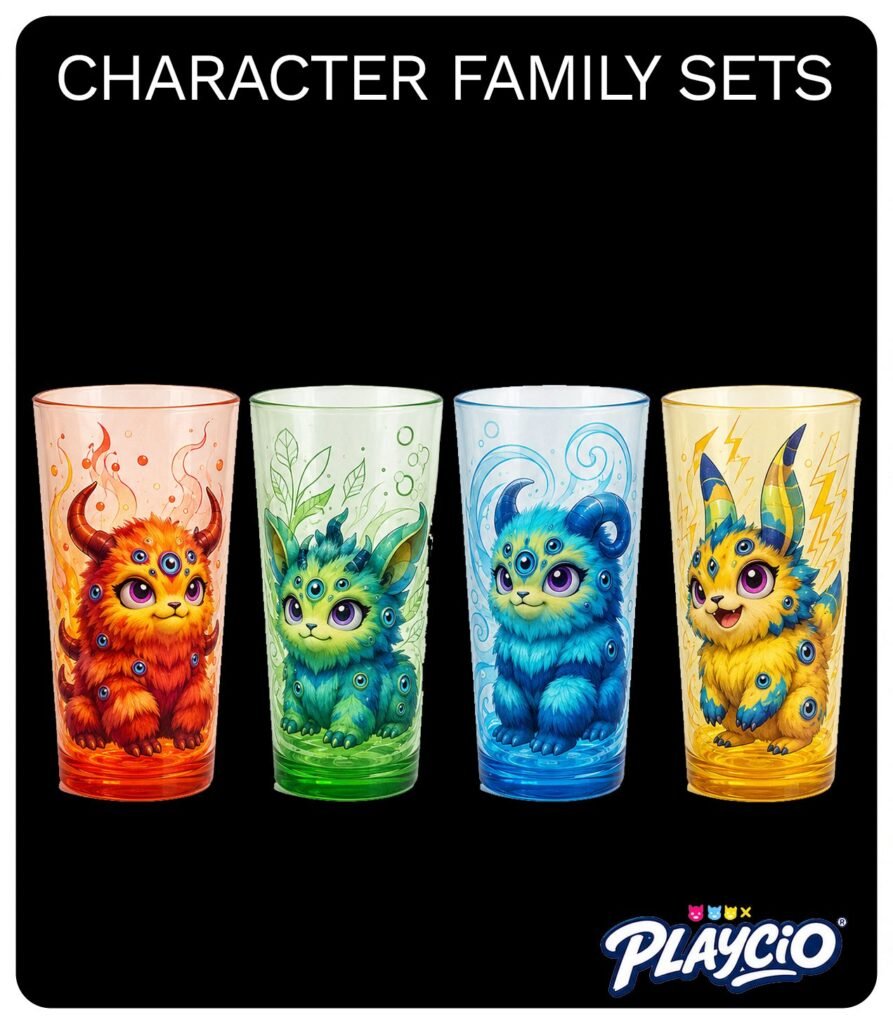
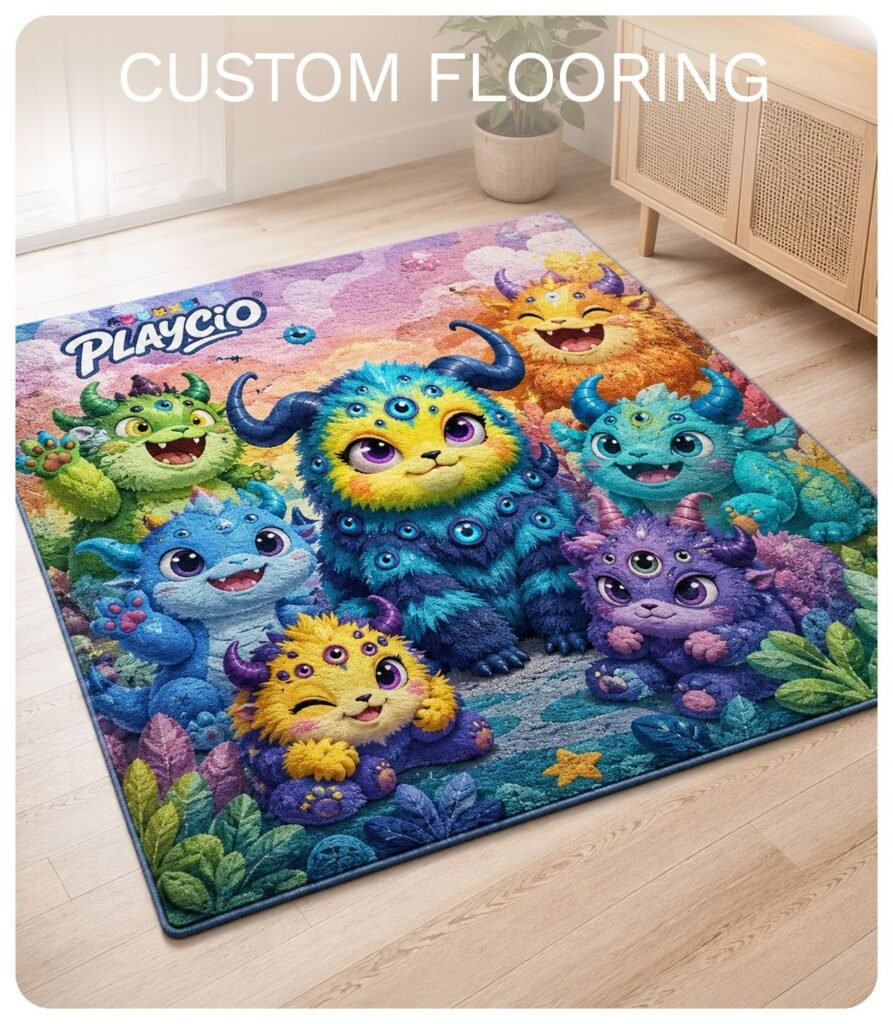
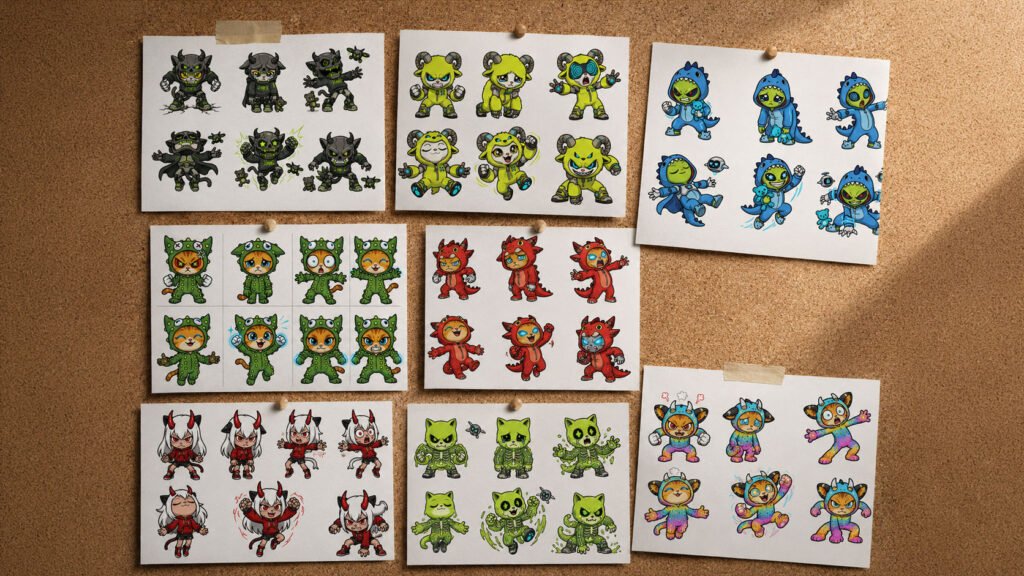
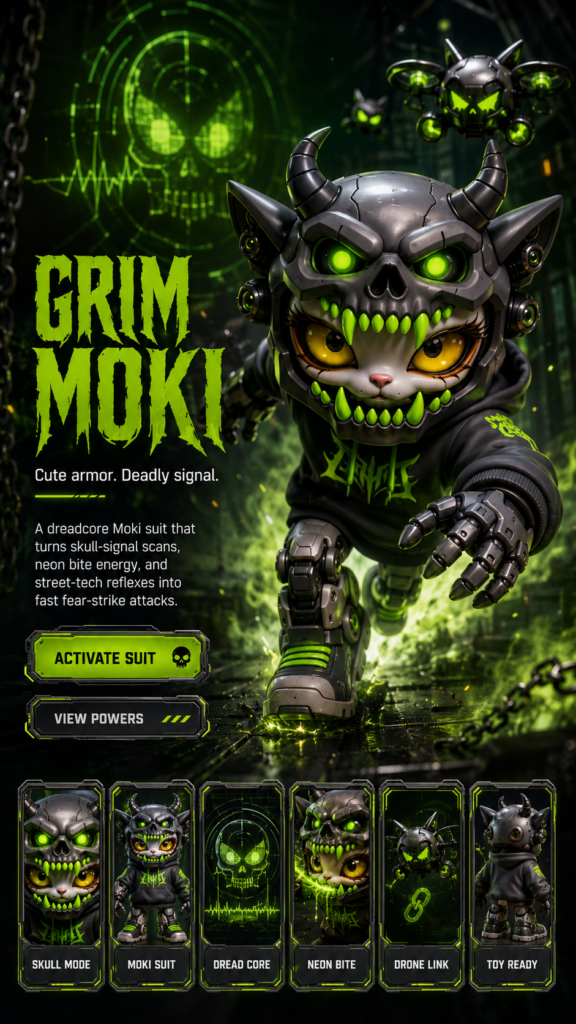
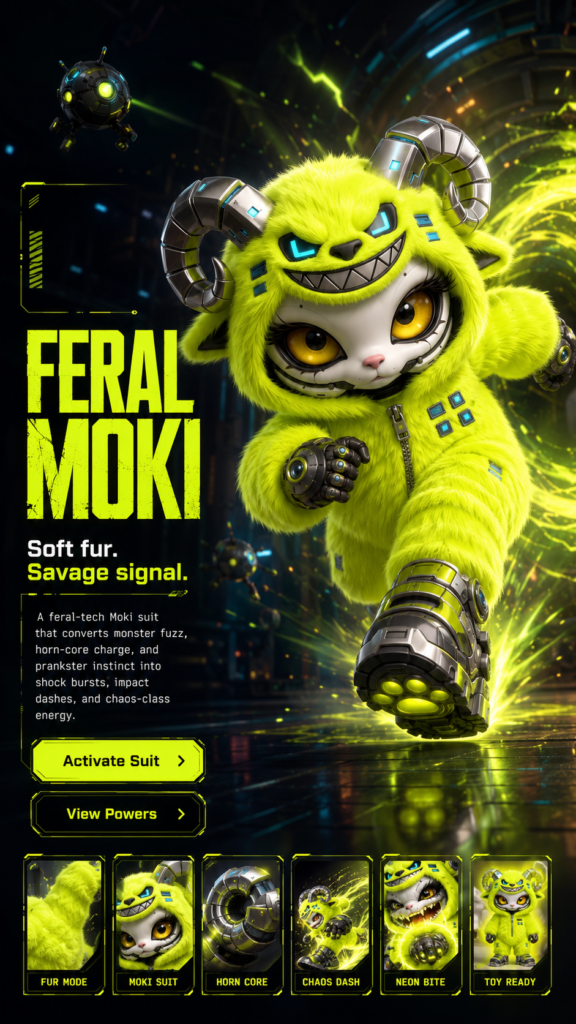
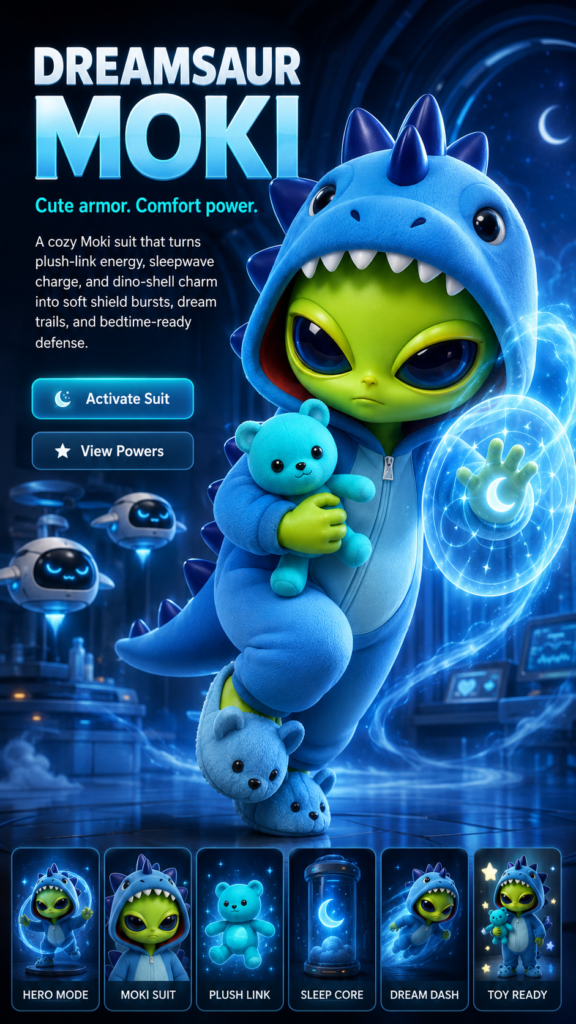
I built a multimodal system that turns one character into 48 commercially distinct product directions in one hour, without losing its identity.
Third-Eye Moki is the proof, not the limit: plug in any character, and the same pipeline builds its product universe.
All at the push of a button in my software.
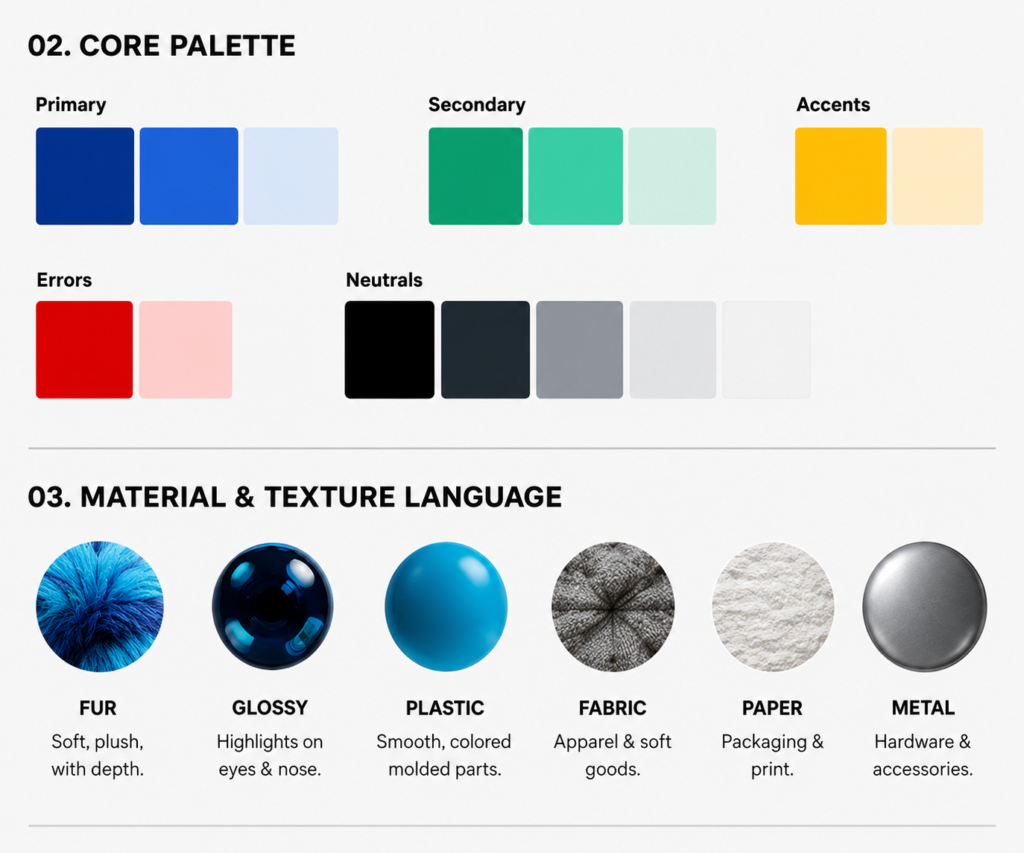
The library makes the invisible controls visible: source anatomy, palette, materials, graphics, typography, spacing, identity tests, pipeline stages, and correction criteria.
Controlled Character Expansion
It gives collaborators a shared answer to the questions that usually create drift: What makes a result recognizably part of the same product family?
Playcio
Character Design / 3D / Motion / Gameplay / IP Development
This is my personal IP-building story. Playcio began with a problem I kept seeing in character design. Add too little and characters become repetitive. Add too much and they can lose the simplicity that made them memorable.
I wanted to build characters that could expand across 3D, motion, gameplay, collectibles, and products without losing their identity.
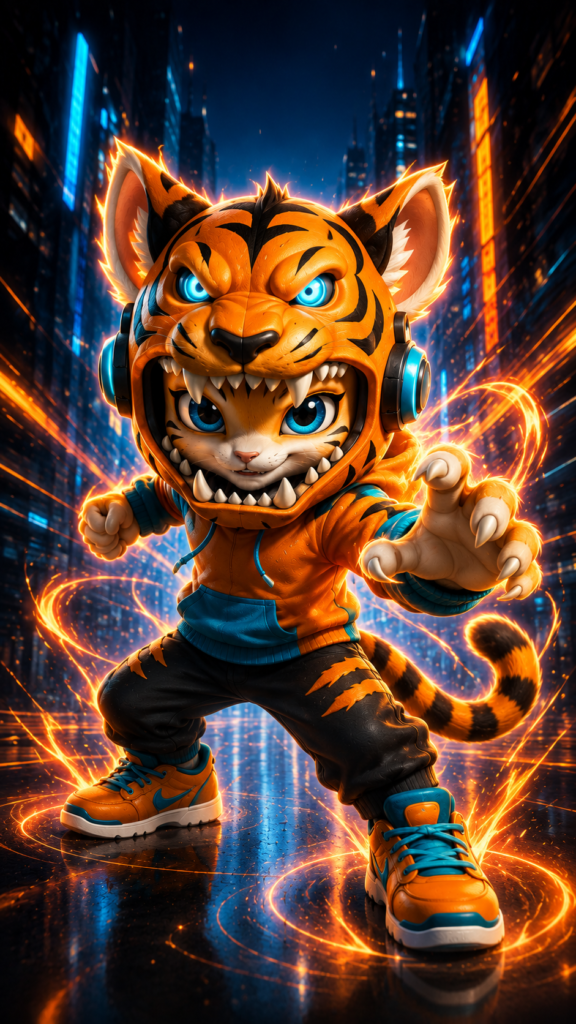
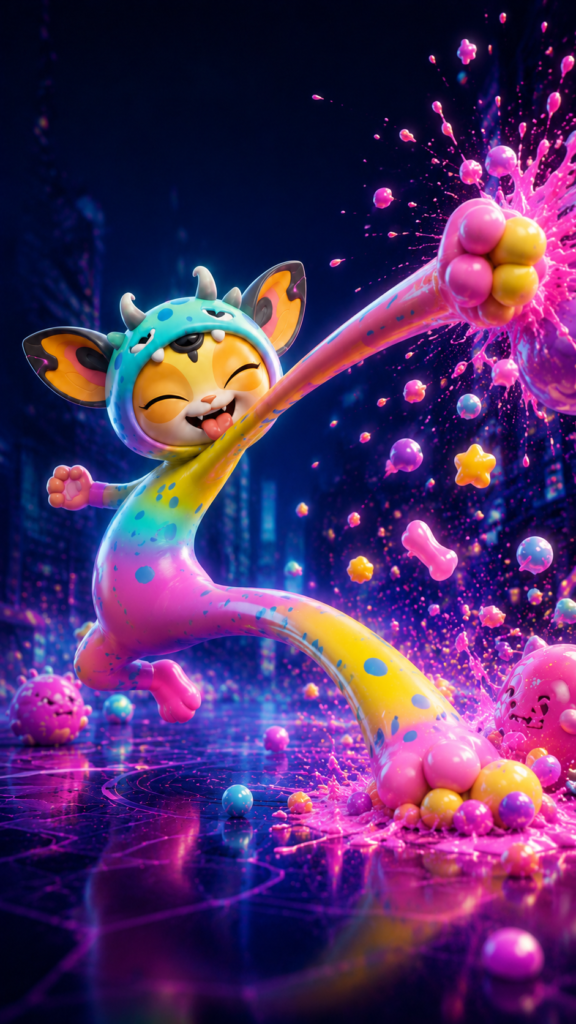
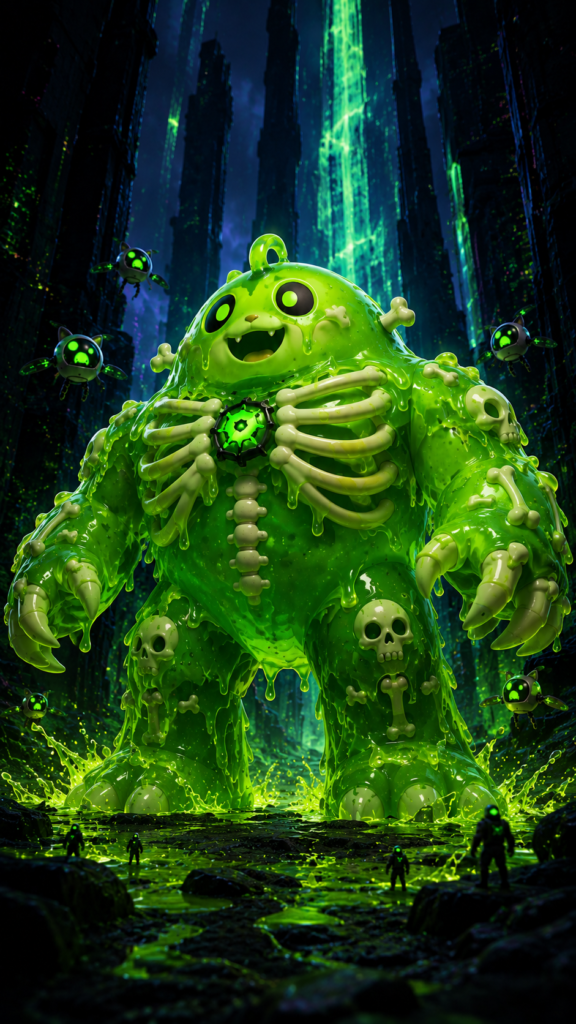
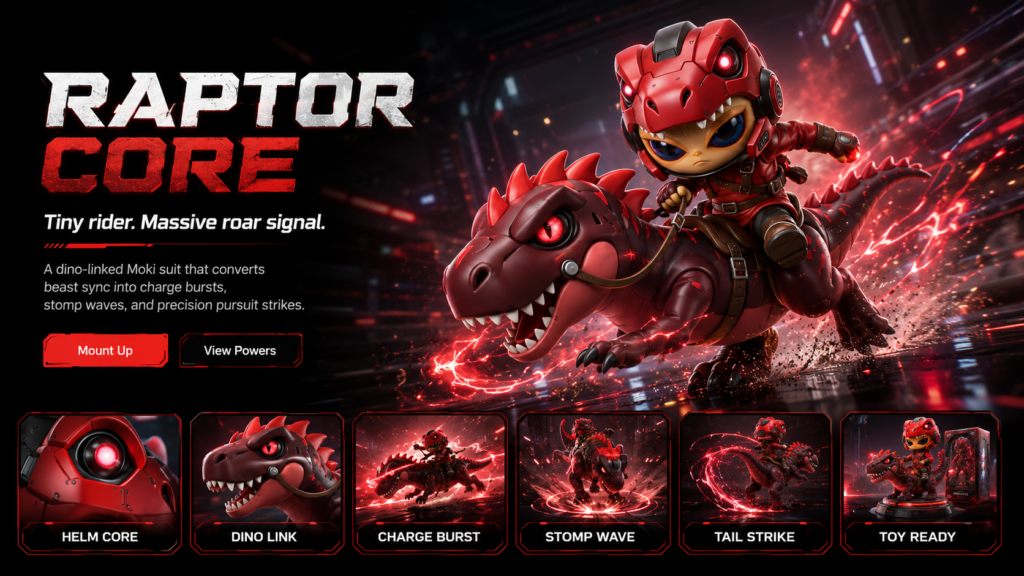
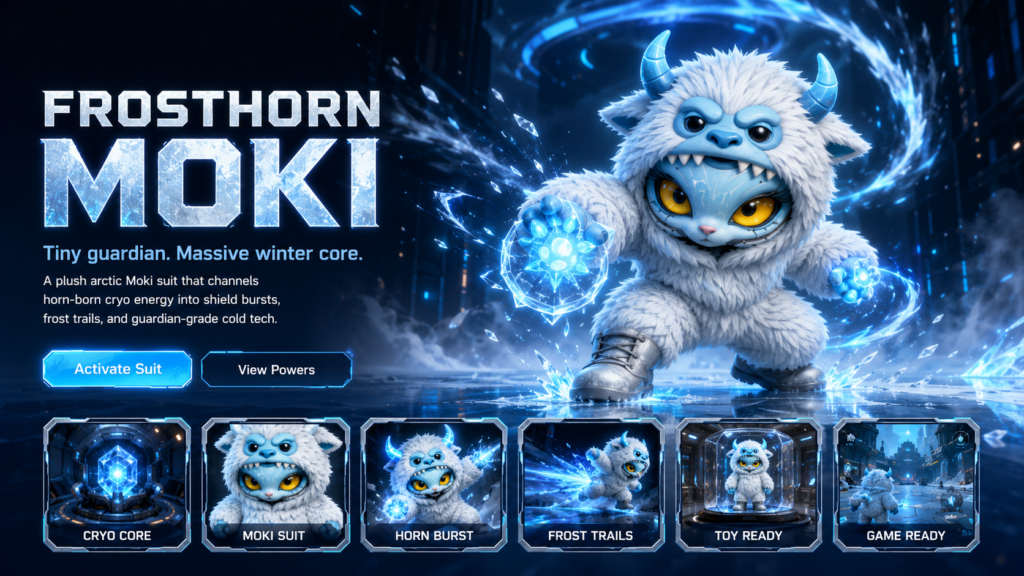
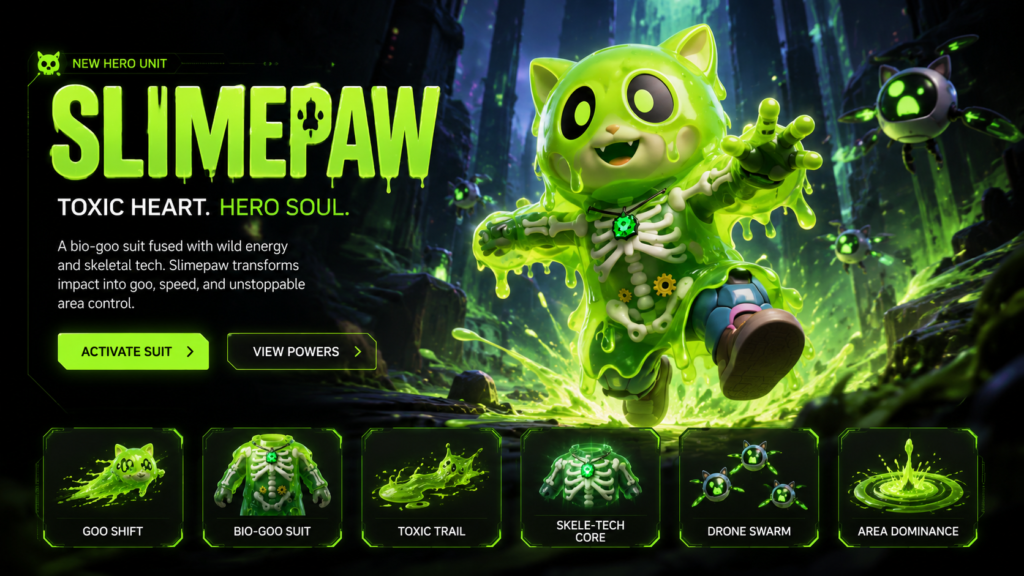
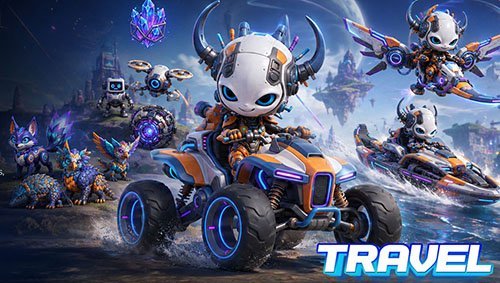
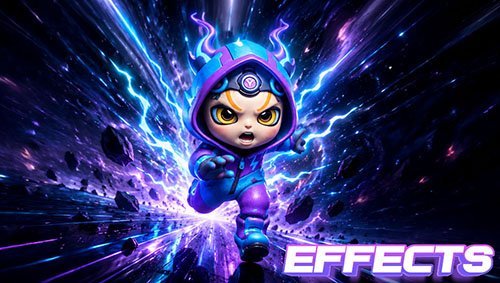
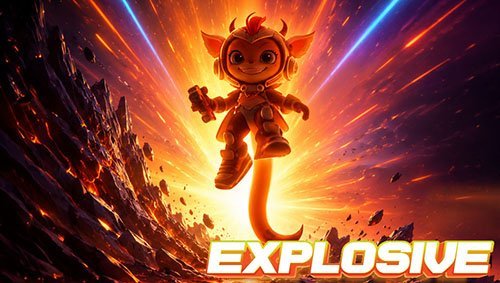
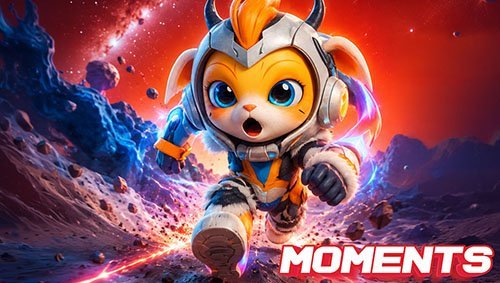
That led to the Moki system, which changes how a character looks, moves, plays, and expresses itself while keeping the character underneath recognizable. The work below follows that idea from character to transformation, motion, gameplay, and product.
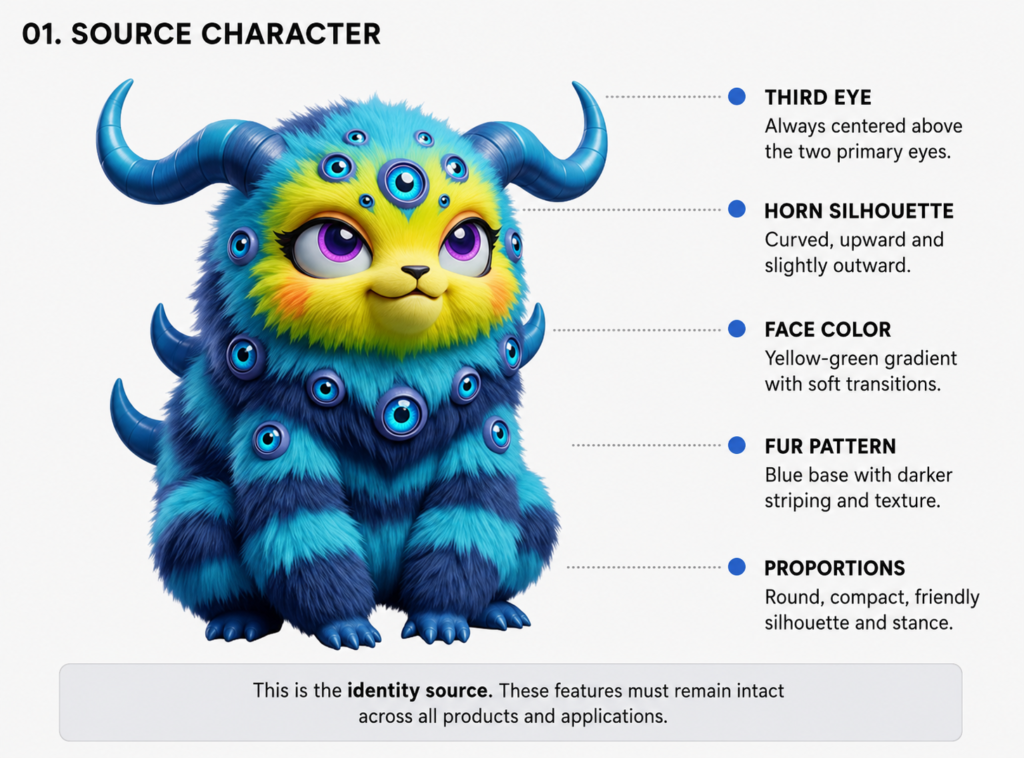
Finding the
System
How far could I transform a character before losing what made it recognizable?
I tested that question across character design, 3D, motion, and gameplay. The turning point was separating the character’s core identity from the Moki transformation.
The character could remain recognizable, while the Moki changed its power, movement, role, and fantasy. The examples below show that idea moving from transformation into motion and play.